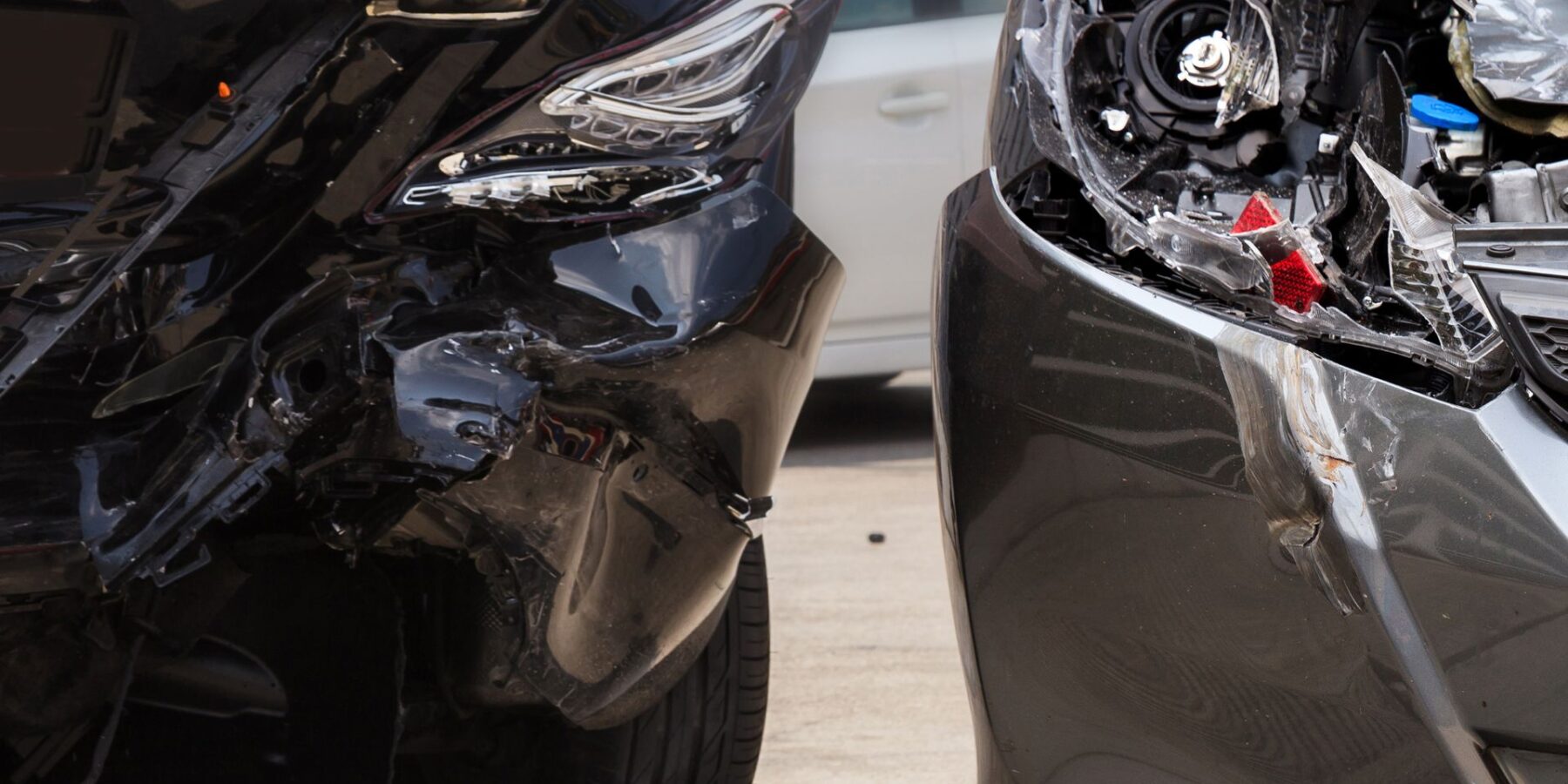
Two back-to-back crashes on Florida’s Turnpike in Miami-Dade County earlier this month left two hospitalized and two dead, according to CBS News. Based on accounts from the Florida Highway Patrol, the first crash occurred early in the morning when a car driving south in the northbound lanes collided head-on with another car. Both disabled vehicles stalled on the roadway, leading to a multi-car pile-up with two other vehicles. Both drivers from the first two crashes died upon impact, while the other two were airlifted to a nearby hospital with serious injuries.
Wrong-way collisions like these are among the most devastating types of crashes, often leaving victims and families facing sudden loss, severe injuries, and overwhelming uncertainty. When multiple vehicles are involved, the force of impact can be catastrophic, and the aftermath can bring emotional, financial, and legal challenges that feel impossible to navigate alone. Families are left searching for answers, coping with grief, and struggling with mounting medical costs while trying to understand what went wrong. During moments like this, experienced legal guidance becomes essential. At Neufeld & Kleinberg, our Miami-Dade car accident attorneys provide compassionate, dedicated support to victims and families affected by serious crashes. We work to uncover the truth, hold negligent drivers accountable, and pursue the justice and compensation you deserve. If you or someone you love has been harmed in a catastrophic collision, contact us today at (786) 841-5646.
How a Miami-Dade County Car Accident Attorney Can Support You After a Serious Crash
Working with a Miami-Dade County car accident attorney from Neufeld & Kleinberg can make a significant difference in your recovery after a serious collision. Our knowledgeable legal team understands the unique challenges that come with crashes on busy Miami-Dade highways and local roads, where high speeds, dense traffic, and sudden hazards often lead to life-altering injuries. Having an attorney by your side ensures that your rights are protected from the beginning, no matter how complex the circumstances surrounding your accident may be. Our extensive experience can help you navigate the chaotic aftermath with confidence and clarity.
At Neufeld & Kleinberg, our skilled car accident attorney provides far more than basic legal assistance. We take on insurance companies, gather essential evidence, and help you understand the full value of your claim under Florida law. With Neufeld & Kleinberg managing every detail of your case, you gain a dedicated advocate who knows how to investigate serious crashes and negotiate fair compensation. This support allows you to focus on medical treatment and healing while your legal team fights for the financial resources you need. From medical expenses and lost income to long-term rehabilitation, our dedicated team works tirelessly to pursue the compensation you deserve and protect your future.
Common Causes of Wrong-Way Crashes in Miami-Dade County
Wrong-way crashes in Miami-Dade County often occur suddenly and without warning, creating extremely dangerous situations for everyone on the road. These collisions frequently happen on busy highways where speeds are high and reaction time is limited. Many wrong-way incidents can be traced to driver error, impaired behavior, or roadway confusion. Understanding the most common causes can help drivers stay alert and reduce the risk of these devastating crashes.
Impaired Driving and Reduced Awareness
Impaired driving is one of the leading causes of wrong-way collisions in Miami-Dade County. Alcohol or drug impairment affects a driver’s judgment, vision, and ability to recognize traffic signs. Impaired drivers often enter ramps incorrectly or drift into opposing lanes without realizing the danger. These errors can quickly lead to catastrophic head-on crashes.
How Impairment Increases Crash Risk
Alcohol slows reaction times and reduces coordination. Drugs can distort perception and impair decision-making. Impaired drivers often miss important roadway cues. These failures increase the chance of entering the wrong lane.
Driver Confusion at Night or in Poor Visibility
Wrong-way crashes often happen at night when visibility is low and navigation becomes more challenging. Drivers unfamiliar with the area may enter a ramp incorrectly or misinterpret traffic patterns. Confusion increases when signs are unclear or lighting is limited. These factors combine to create dangerous situations for drivers traveling at highway speeds.
Factors That Reduce Visibility
Glare from headlights can make signs harder to read. Missing or faded markings can mislead drivers. Heavy rain or fog reduces visibility further. These conditions increase the chance of errors.
Missing or Obstructed Roadway Signs
Improper signage is another factor that can contribute to wrong-way crashes. When signs are missing, obstructed, or damaged, drivers may not receive the guidance needed to follow correct travel lanes. Poor signage causes confusion and increases the risk of entering an opposing direction lane. Proper maintenance of roadway signs is important for preventing serious crashes.
Issues with Ramp and Exit Markings
Some on-ramps lack clear directional signs. Vegetation or debris may block important warnings. Damaged signs can provide unclear information. Drivers depend on clear signage to stay safe.
Why Wrong-Way Collisions Are Often More Catastrophic
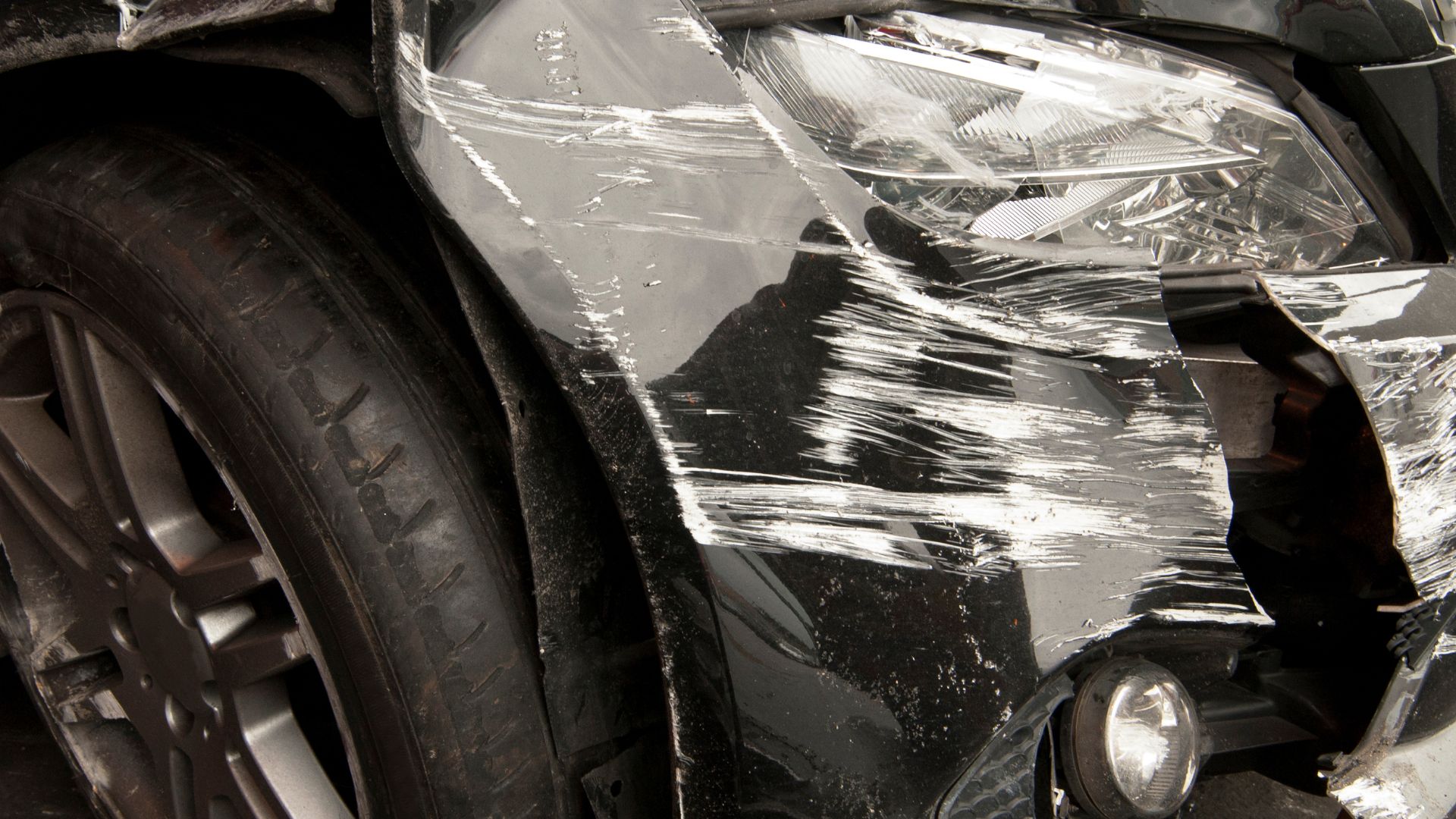
Wrong-way crashes often result in far more severe injuries than other types of car accidents because they typically involve head-on impacts at high speeds. These collisions give drivers very little time to react, which increases the force of the crash. The violent nature of these impacts often leads to life-threatening injuries and extensive damage to all vehicles involved. Understanding why these crashes are so destructive helps highlight the importance of prevention and awareness.
High-Speed Impacts and Limited Reaction Time
Most wrong-way collisions occur on highways where vehicles travel at high speeds. When two cars strike head-on, the combined force of the impact multiplies significantly. Drivers have very limited time to recognize the danger and respond. This lack of reaction time often results in devastating injuries.
Why Highway Speeds Intensify Collisions
Higher speeds increase the energy of impact. Drivers cannot slow down quickly in wrong-way situations. Even slight delays can lead to a crash. High-speed conditions often magnify damage.
Increased Risk of Multi-Vehicle Crashes
Wrong-way collisions often lead to secondary impacts that involve additional vehicles. When the initial crash blocks travel lanes, other drivers may not have enough time or space to avoid the stalled vehicles. This creates a chain reaction that increases the number of people injured. Multi-vehicle crashes also complicate rescue efforts and investigations.
How Secondary Crashes Occur
Disabled vehicles can obstruct traffic lanes. Drivers approaching the scene may have reduced visibility. Sudden braking can cause rear-end impacts. These conditions increase overall crash severity.
Higher Likelihood of Fatal Injuries
Head-on collisions place occupants at extreme risk because the force of impact is concentrated on the front of the vehicle. This often results in severe trauma such as fractures, internal injuries, and head impacts. Fatalities are more common in wrong-way crashes than in many other types of collisions. These tragic outcomes highlight the need for safety improvements and public awareness.
The Role of Vehicle Structures
Front-end regions absorb most of the crash energy. Safety features can only handle limited force. Extreme impacts overwhelm these protections. This increases the chance of fatal outcomes.
The Long-Term Impact of Wrong-Way Crashes on Victims and Families
Wrong-way crashes in Miami-Dade County often cause life-changing consequences for victims and their families. These collisions typically involve high speeds and severe force, which can result in catastrophic injuries, long-term disabilities, and emotional trauma that extends far beyond the initial event. Families may also face financial strain, lifestyle changes, and ongoing challenges as they support their loved ones through recovery. Understanding the long-term effects can help victims prepare for the road ahead and seek proper compensation.
Physical and Medical Challenges
Victims of wrong-way crashes often suffer serious injuries requiring extensive treatment. These injuries may include traumatic brain injuries, spinal damage, fractures, or internal trauma. Long-term recovery may involve surgeries, rehabilitation, and ongoing therapy. The physical impact of these injuries can affect daily activities and overall quality of life.
Lasting Effects on Mobility and Health
Chronic pain may develop over time. Mobility loss can affect work and independence. Injuries may require lifelong management. These effects make strong compensation essential.
Emotional and Psychological Effects
The trauma of a wrong-way collision can lead to emotional distress long after the crash. Victims may struggle with anxiety, depression, or post-traumatic stress. Families may also face emotional strain as they help loved ones cope with major lifestyle changes. Mental health support becomes a critical part of recovery.
Signs of Emotional Trauma
Sleep disturbances may occur. Flashbacks or fear of driving may develop. Mood changes can affect relationships. Early counseling can support emotional healing.
Financial Strain on Victims and Families
Medical bills, lost wages, and long-term care needs can create overwhelming financial pressure. Families may need to adjust budgets or take on additional responsibilities. Compensation helps relieve these burdens and supports a more stable future.
Planning for Long-Term Needs
Future medical care should be included in claims. Loss of earning capacity can impact family income. Professional evaluations help determine long-term financial impact. These factors ensure compensation reflects true losses.
What To Do After a Wrong-Way Collision in Miami-Dade County
The moments after a wrong-way collision can be frightening and confusing, especially when the crash happens on a busy highway. Taking the right steps can help protect your safety, preserve evidence, and support your claim for compensation. Victims who know what to do after a serious crash are better equipped to navigate the aftermath and avoid mistakes that may harm their recovery. Following a clear plan can make a difficult situation more manageable.
Check for Injuries and Move to Safety
Your first priority after a wrong-way collision is to check yourself and others for injuries. Because these crashes often cause severe trauma, avoid sudden movements if you feel pain. If your vehicle is still operable, move it to a safer area away from traffic. Staying clear of additional traffic hazards is important for your safety.
Avoid Removing Protective Gear
If you wore safety restraints or protective gear, keep them in place until responders arrive. Removing gear too early can worsen injuries. Wait for trained medical help to assess your condition. Proper evaluation helps protect your health.
Call Emergency Services Immediately
Wrong-way crashes often require urgent medical attention due to the severity of injuries. Call 911 right away and provide clear information about the location and number of vehicles involved. Emergency responders can secure the scene, assist the injured, and begin documenting the crash. Early reporting helps ensure everyone receives the care they need.
Provide Clear and Accurate Details
Tell the dispatcher how many vehicles were involved. Mention visible injuries if you can do so safely. Give your location as precisely as possible. Accurate information helps responders reach the scene quickly.
Document the Scene if You Can Do So Safely
If you are able, gather photos and videos of the scene. Capture vehicle damage, debris, lane markings, and any visible road conditions. These images are important pieces of evidence for your insurance claim or any legal case that may follow. Detailed documentation helps clarify what happened during the crash.
Include Environmental and Traffic Conditions
Photograph lighting, weather, and traffic patterns. Note any missing or damaged signs. Capture skid marks or blocked lanes. These details can be valuable during investigations.
Seek Medical Evaluation Right Away
Even if you believe your injuries are minor, seek medical attention as soon as possible. Wrong-way collisions place extreme force on the body, and some injuries may not appear immediately. Prompt medical care helps diagnose hidden injuries and creates documentation that links your condition to the crash. This documentation is important for your recovery and your case.
Follow Up With All Recommended Care
Attend every follow-up appointment. Monitor your symptoms and share updates with your doctor. Keep written records of your pain and limitations. These details help support your claim for compensation.
Evidence That Can Strengthen Your Miami-Dade County Car Accident Claim
Building a strong Miami-Dade County car accident claim begins with collecting detailed evidence that shows how the crash occurred and how it has affected your life. Wrong-way collisions and other serious crashes often create chaotic scenes, but the information gathered in the moments and days that follow can make a meaningful difference in the outcome of your case. Insurance companies rely heavily on evidence when determining fault and evaluating compensation. Understanding which types matter most helps protect your rights and strengthens your claim.
Photographs and Video From the Crash Scene
Photos and videos taken at the scene provide clear documentation of the damage and environment. These visuals help show the position of each vehicle, the force of impact, and any conditions that contributed to the crash. Images also help preserve details that may change quickly, such as debris or skid marks. Strong visual evidence is often difficult for insurers to dispute.
Important Details to Capture
Take photos from multiple angles. Include road signs and traffic lights in your images. Document weather and lighting conditions. These details help support what happened.
Official Police Reports and Crash Documentation
A police report provides an objective account of the crash. Officers document statements, roadway conditions, and potential violations. This information becomes one of the most important pieces of evidence in a Miami-Dade County car accident claim. Insurance adjusters often rely on these reports when assessing fault.
Why Police Reports Add Strength
Reports identify contributing factors. They show initial observations from trained officers. They help counter inaccurate statements from the other driver. This makes them essential to your claim.
Medical Records and Treatment Notes
Medical records link your injuries directly to the collision. These documents outline your diagnosis, treatments, and long-term recovery needs. Consistent medical documentation also helps establish the seriousness of your injuries, which is critical when negotiating for fair compensation.
Tracking Ongoing Treatment
Keep records of every appointment. Document pain levels and mobility changes. Provide updates to your attorney. These details show how the crash continues to affect your daily life.
Witness Statements and Contact Information
Witnesses often see details that drivers may miss during the stress of a collision. Their statements can support your version of events and help identify unsafe behavior by the other driver. Gathering witness information early helps preserve accurate details.
Securing Useful Testimony
Ask witnesses for their names and phone numbers. Request a brief summary of what they observed. Share this information with your attorney soon after the crash. Early statements tend to be the most reliable.

How Fault Is Determined in Miami-Dade County Wrong-Way Accidents
Determining fault in a Miami-Dade County wrong-way accident involves a detailed investigation into how and why the crash occurred. These collisions are often sudden, violent, and complex, which means investigators must review every available piece of evidence to understand the events leading up to the impact. Because wrong-way crashes frequently result in severe injuries or fatalities, establishing fault is essential for helping victims and families pursue compensation. Understanding how fault is assigned also helps clarify the responsibilities of each driver involved in the collision.
Reviewing Evidence From the Crash Scene
Investigators begin by examining the physical evidence left behind at the scene. This includes vehicle positions, skid marks, debris patterns, and road conditions. These details help reconstruct the sequence of events and identify the path taken by the wrong-way driver. Physical evidence is often one of the strongest indicators of how the crash occurred and who caused it.
How Crash Scene Indicators Help
Road gouges and tire marks can reveal the direction of travel. Debris fields help show the point of impact. Vehicle damage patterns also offer clues. These factors work together to support a clear understanding of fault.
Analyzing Traffic and Roadway Laws
Florida traffic laws play an important role in determining fault after a wrong-way collision. Drivers are required to obey signage, follow lane markings, and travel in the correct direction at all times. Entering a roadway incorrectly is often a clear violation of these rules. When investigators discover that a driver entered a ramp or lane improperly, fault is often assigned to that individual.
Evaluating Right-of-Way Duties
Drivers must yield when entering highways. Wrong-way entry violates these duties. Traffic signs provide clear direction for safe entry. Ignoring these directions often leads to fault.
Evaluating Driver Behavior Before the Crash
Investigators also consider the behavior of the wrong-way driver before the collision. This includes whether the driver was impaired, fatigued, distracted, or unfamiliar with the roadway. Behavior that reduces awareness or reaction time often contributes directly to the crash. Understanding the driver’s condition helps determine the extent of their responsibility.
Signs of Impairment or Distraction
Slurred speech or erratic driving can indicate impairment. Missed signs or lane drift may show distraction. Evidence of alcohol or drug use supports these findings. These factors help clarify the cause of the crash.
Comparing Witness Accounts and Statements
Witness statements play an important role in understanding what occurred in the moments before the crash. Bystanders, passengers, and other drivers may provide important observations about the wrong-way vehicle’s behavior. These accounts help investigators confirm the direction of travel, speed, and actions taken by both drivers.
Why Consistent Witness Reports Matter
Multiple witnesses may notice different details. Consistent accounts support stronger conclusions. Conflicting stories are compared with physical evidence. Clear witness testimony helps strengthen fault determinations.
Considering Florida’s Comparative Negligence Rules
Florida follows a comparative negligence system, which means fault may be shared if both drivers contributed to the crash. However, in most wrong-way collisions, the wrong-way driver carries the majority of responsibility. If the other driver acted reasonably and followed traffic laws, they may bear little or no fault. Comparative negligence helps determine how compensation is awarded based on each party’s share of responsibility.
How Shared Fault Affects Compensation
A driver’s compensation may be reduced by their percentage of fault. Clear evidence helps keep this percentage low. Attorneys work to show fault lies primarily with the wrong-way driver. Accurate findings support fair compensation.
Your Rights After a Serious Miami-Dade County Car Accident
After a serious Miami-Dade County car accident, you have important legal rights designed to protect your health, property, and financial well-being. Understanding these rights can help you avoid mistakes that may weaken your case or limit your compensation. Florida law supports victims by ensuring they receive medical care, fair insurance handling, and access to legal representation. Knowing what protections you have is a vital first step in moving forward after a traumatic event.
Your Right to Medical Treatment
You have the right to seek immediate medical care after a crash, regardless of who is at fault. Prompt treatment protects your health and helps identify injuries that may not be obvious at first. Medical documentation created during treatment also serves as key evidence when pursuing compensation.
Why Immediate Care Helps Your Case
Delays can raise questions about your injuries. Early medical notes help establish a clear timeline. Insurance companies review these details closely. Quick care supports both recovery and claim accuracy.
Your Right to File a Personal Injury Claim
If another driver’s negligence caused your injuries, you have the right to file a claim for compensation. This may include payment for medical bills, lost wages, property damage, and pain and suffering. Filing a claim helps hold negligent drivers accountable and provides financial support during your recovery.
Protecting This Right
Report the crash as soon as possible. Keep records of all expenses. Avoid discussing fault with insurers. These steps help maintain a strong legal position.
Your Right to Fair Treatment From Insurance Companies
Insurance companies must handle claims in good faith. They cannot pressure you into accepting an unfair settlement or delay payments without justification. You have the right to question unfair decisions and request further review when necessary.
Recognizing Unfair Tactics
Low initial offers, repeated document requests, and stalled communication may signal bad-faith behavior. Keeping detailed records of all interactions helps protect your rights. An attorney can step in if insurers act unfairly.
Your Right to Legal Representation
Every accident victim has the right to hire an attorney at any stage of the claims process. Legal guidance helps you understand your options, avoid costly mistakes, and pursue the compensation you deserve. An experienced Miami-Dade County car accident attorney can manage your case while you focus on recovery.
How an Attorney Protects Your Rights
Attorneys handle communication with insurers. They gather evidence and build your claim. They also ensure all deadlines are met. Their support helps strengthen your overall case.
Why Legal Representation Matters After a Serious Miami-Dade County Car Accident
After a serious Miami-Dade County car accident, victims often face a confusing and overwhelming aftermath filled with medical appointments, insurance pressures, and financial uncertainty. Many people try to handle these challenges alone, only to realize how difficult it is to protect their rights while recovering from painful injuries. Legal representation provides structure and clarity during a time when clear thinking can feel impossible. An experienced attorney helps you understand your options, avoid costly mistakes, and take the right steps toward a secure and stable recovery.
Navigating Complex Insurance Requirements
Insurance companies often act quickly after a serious crash, hoping to gather statements or push early settlement offers that benefit them. These companies may question the severity of your injuries or attempt to shift blame onto you. A skilled attorney understands these tactics and works to ensure you are treated fairly throughout the process. Their guidance helps you respond carefully to requests and prevents insurers from using your words against you.
How Attorneys Protect Your Claim
An attorney communicates with insurers so you don’t have to. They present evidence in a clear and organized manner. They also push back when an offer is too low. Their involvement strengthens your position during negotiations.
Building a Strong Claim Through Evidence
A serious Miami-Dade County crash often requires extensive investigation to determine the cause and identify all responsible parties. Attorneys gather police reports, photographs, witness statements, and medical records to build a complete picture of what happened. This evidence is important for proving liability and demonstrating the full impact of your injuries. A strong evidentiary record increases the likelihood of a fair settlement.
The Role of Professional Analysis
Attorneys may work with experts to support your case. These experts can analyze crash data, medical needs, or long-term financial losses. Their insights help clarify important details. Strong expert input adds credibility to your claim.
Pursuing Full Compensation for Your Losses
Victims of serious crashes often underestimate the long-term costs of their injuries. Medical bills, lost income, reduced earning capacity, and ongoing therapy can impact your future for years. An attorney reviews every aspect of your damages so nothing is overlooked. Their goal is to secure compensation that supports both your immediate recovery and your long-term needs.
Understanding All Available Damages
Compensation may cover more than medical bills. Attorneys evaluate pain, suffering, and lasting limitations. They also consider future expenses related to treatment or work changes. This full assessment helps protect your financial stability.
Providing Guidance and Peace of Mind
A serious crash affects more than just your physical health. Many victims experience fear, stress, and uncertainty about the future. Having a dedicated attorney by your side provides reassurance during a difficult time. You gain a trusted advocate who understands the legal system and is committed to protecting your best interests.
Reducing Stress During Recovery
Your attorney handles the legal burdens while you focus on healing. They keep you updated on important developments. They answer questions and explain each step. This support helps reduce anxiety and confusion.
Contact an Experienced Miami-Dade County Car Accident Lawyer Today
When you or someone you care about has been injured in a serious crash, reaching out to an experienced Miami-Dade County car accident lawyer can make a difficult situation far more manageable. The aftermath of a collision often brings painful injuries, mounting medical bills, and uncertainty about how to move forward. Many victims feel pressured by insurance companies or overwhelmed by the legal steps required to protect their rights. Having a skilled attorney by your side provides the guidance, support, and reassurance you need during this challenging time, allowing you to focus on healing rather than navigating complex claims alone.
At Neufeld & Kleinberg, our Miami-Dade County car accident attorneys bring decades of experience helping injured individuals and families secure the justice and compensation they deserve. We understand the unique hazards of Miami-Dade roadways and the severe impact that car accidents can have on your health, livelihood, and long-term well-being. Our team works tirelessly to investigate your crash, challenge unfair insurance tactics, and pursue the full compensation needed for medical treatment, lost wages, and ongoing recovery. Whether we are negotiating on your behalf or preparing a strong case for court, our dedication to protecting your future remains steadfast. Contact us online or call (786) 841-5646 for a free case evaluation.
Contact usfor a free consultation.
Phone: (786) 841-5646