
A deadly rollover crash in Winter Garden last week left one man dead and another seriously injured, according to local news. The crash occurred in the southbound lanes of State Road 429 near Winter Garden Vineland Road, where an Orlando man lost control of his truck. Troopers said the truck overturned multiple times, ejecting the unrestrained driver, who died at the scene. His passenger was transported to Orlando Regional Medical Center with serious injuries. The crash caused an extended closure of all southbound lanes, leading to heavy traffic delays until the roadway reopened later that afternoon.
This tragic Orange County rollover crash serves as a powerful reminder of how essential seat belts are in preventing fatal injuries, especially in violent, high-impact accidents. When a vehicle overturns multiple times, the forces involved can be catastrophic, and unrestrained occupants face a significantly greater risk of being ejected, as seen in this heartbreaking incident. The aftermath of such a crash can feel overwhelming, particularly when the consequences might have been reduced with the simple act of buckling up. During these incredibly difficult times, having compassionate and experienced legal advocates like our team at Neufeld & Kleinberg can make a meaningful difference, providing guidance, support, and clarity when it is needed most. Give us a call today at (786) 841-5646 and let us help you seek the relief you deserve.
Why Seek Expert Legal Help After an Orange County Rollover Crash
An Orange County rollover crash often leaves victims and their families dealing with sudden trauma, serious injuries, and overwhelming uncertainty about what to do next. At Neufeld & Kleinberg, our attorneys understand how devastating these incidents can be and how quickly the aftermath can become confusing. We understand how cases can involve complex questions about liability, roadway conditions, vehicle mechanics, and whether safety measures such as seat belts were properly used. We work to uncover the facts, preserve critical evidence, and protect your rights from the very beginning, ensuring that no detail is overlooked as you begin your path toward recovery.
Rollover crashes frequently lead to severe injuries, long-term medical needs, and financial strain, making professional legal support essential for securing full and fair compensation. Insurance companies may attempt to minimize the value of your claim or shift blame onto the victims, especially in cases involving seat belt use or loss of vehicle control. Our team at Neufeld & Kleinberg is dedicated to standing between you and these tactics so you can focus on healing while we manage the legal challenges ahead. With experienced guidance, compassionate support, and a strategic approach to every case, we help families pursue accountability, stability, and the financial resources needed to move forward.
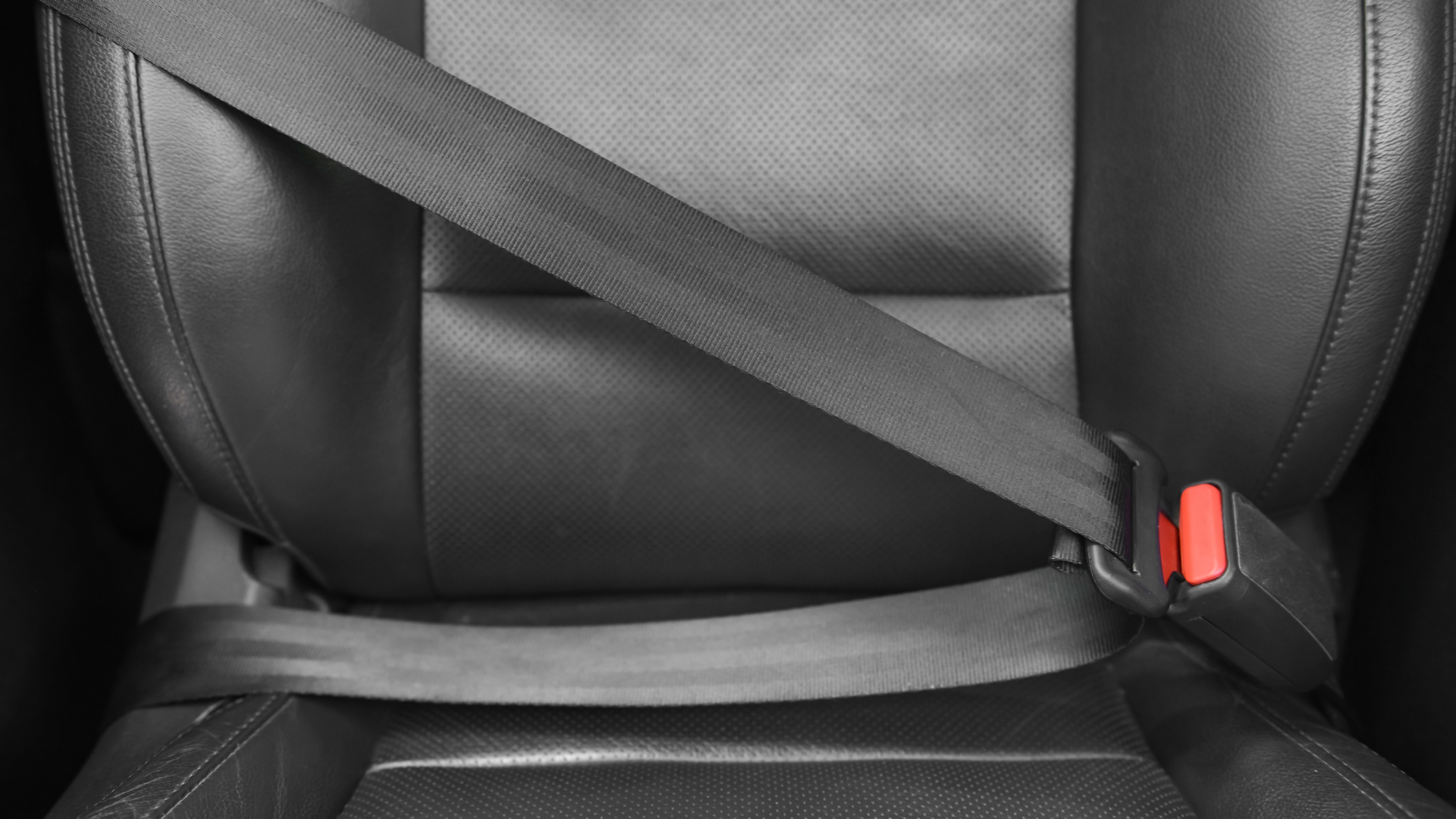
Why Seat Belt Use Is Critical in an Orange County Rollover Crash
Seat belt use is one of the most important factors in determining survival and injury severity in an Orange County rollover crash. When a vehicle rolls, the forces inside the cabin can become violent and unpredictable, often throwing occupants in multiple directions within fractions of a second. Riders who are not properly restrained face a much higher risk of being ejected, suffering catastrophic injuries, or losing their lives at the scene. Understanding the protective benefits of seat belts helps highlight why wearing them remains one of the simplest and most effective ways to prevent tragedy on the road.
Seat Belts Reduce the Risk of Ejection
One of the greatest dangers in a rollover crash is the possibility that an occupant may be thrown from the vehicle. Ejection often leads to severe or fatal injuries because the victim may strike the roadway, nearby structures, or other vehicles.
Preventing Occupants From Being Thrown Out of the Vehicle
Seat belts secure the body in place during a rollover, significantly lowering the likelihood of being ejected. When an occupant remains inside the protective frame of the vehicle, the chances of survival increase dramatically. Remaining restrained also helps emergency responders access victims more quickly and provide life-saving aid.
Reducing Secondary Injury Risks
Occupants who remain inside the vehicle avoid many of the devastating secondary injuries associated with ejection. These injuries often include head trauma, spinal cord damage, fractures, and severe internal injuries. Proper seat belt use keeps the body from experiencing uncontrolled movement, helping limit the severity of harm.
Seat Belts Protect Occupants From Harsh Crash Forces
Rollover crashes involve intense physical forces that can cause multiple impacts within the cabin. Seat belts play a vital role in distributing those forces to the strongest parts of the body, which reduces the likelihood of severe damage.
Keeping the Body in a Stable Position
By holding occupants in a stable seating position, seat belts prevent the body from striking windows, the roof, or other interior structures. This stability minimizes the risk of head injuries and protects vital organs that are vulnerable to sudden impact.
Working Together With Airbags
Seat belts allow airbags to perform their job more effectively. Airbags are designed to work in combination with restraints, and without a seat belt, the timing and positioning of an airbag may not protect the occupant properly. The two systems together create a comprehensive safety shield within the vehicle.
Seat Belts Help Drivers Maintain Control
A restrained driver is better able to steer, brake, and respond during an emergency situation. Without a seat belt, even minor shifts in position can cause a driver to lose control before or during a crash.
Improving Driver Stability During Sudden Movements
When a vehicle begins to slide, tip, or rotate, a seat belt keeps the driver firmly in the seat. This stability helps the driver maintain control and possibly prevent a rollover from escalating into a fatal event. A secure driver is more capable of making corrective maneuvers that may reduce the severity of the crash.
Preventing Unsafe Shifts Inside the Cabin
If a driver is not restrained, sudden movements can push them off balance, causing them to lose contact with the steering wheel or pedals. These shifts can worsen the crash or prevent the driver from reacting altogether. A seat belt holds the driver in the correct position, ensuring better control during a crisis.
Seat Belts Significantly Reduce Fatality Rates
Statistics consistently show that seat belt use saves lives during rollover crashes. These collisions often involve multiple rotations and unpredictable motion, but seat belts remain effective in preventing the most severe outcomes.
Lowering the Odds of Deadly Injuries
Victims who wear seat belts are far more likely to survive a rollover and recover from their injuries. The restraint helps shield the body from extreme impacts and reduces the number of life-threatening injuries. This protective effect is well documented and remains one of the strongest reasons to buckle up every time you drive.
Supporting Long-Term Recovery
Even when injuries occur, seat belt use often results in fewer complications and shorter recovery times. Victims who remain restrained tend to avoid the catastrophic injuries linked to ejections and uncontrolled movement inside the cabin. This improvement in survivability also reduces the long-term emotional and financial toll of the crash.
Injuries Frequently Seen in an Orange County Rollover Crash
Rollover crashes are among the most dangerous types of accidents on Orange County roads, often resulting in severe and life-altering injuries. The force of a vehicle overturning can throw occupants violently within the cabin, crush the roof structure, or eject individuals entirely from the vehicle. Because of these risks, victims often require extensive medical care, long-term rehabilitation, and significant recovery time. Understanding the types of injuries commonly associated with rollover crashes helps highlight the seriousness of these collisions and underscores the importance of seat belt use and prompt medical treatment.
Head and Brain Injuries
Head and brain injuries are extremely common in rollover crashes due to the unpredictable, multi-directional forces involved. These injuries range from mild concussions to severe traumatic brain damage.
Concussions and Mild Traumatic Brain Injuries
Even minor impacts can cause the brain to move within the skull, leading to headaches, dizziness, memory problems, and difficulty concentrating. Symptoms may appear gradually, and without proper treatment, victims can experience lasting cognitive challenges that interfere with daily life and work responsibilities.
Severe Traumatic Brain Injuries
More serious brain injuries can occur when occupants strike windows, the roof, or interior structures during a rollover. These injuries may lead to long-term disability, reduced cognitive function, and significant emotional or behavioral changes. Victims often require extensive rehabilitation and long-term medical support.
Spinal Cord and Back Injuries
Rollover crashes frequently cause trauma to the spine due to intense twisting, compression, or direct structural collapse inside the vehicle.
Herniated Discs and Soft Tissue Damage
Back injuries such as herniated discs and ligament tears can cause chronic pain, limited mobility, and nerve problems. These injuries may take months to heal and often require physical therapy, injections, or surgical interventions to restore function.
Partial or Complete Paralysis
If the spinal cord is severely injured, victims may suffer partial or total paralysis. These life-changing injuries require ongoing medical care, adaptive equipment, and major lifestyle adjustments. They also place a significant emotional and financial burden on victims and their families.
Broken Bones and Orthopedic Injuries
The violent forces of a rollover crash commonly lead to fractures and orthopedic trauma affecting multiple parts of the body.
Fractures in Limbs, Ribs, and Pelvis
Arms, legs, ribs, and the pelvis are particularly vulnerable during a rollover. Broken bones may require casting, surgery, or long-term rehabilitation. Rib fractures can also pose serious risks due to potential damage to the lungs or internal organs.
Joint and Ligament Injuries
Rollover victims may suffer knee, shoulder, or hip injuries that limit range of motion and cause persistent pain. These injuries can interfere with work, sports, and daily activities, often requiring physical therapy or surgery to regain mobility.
Internal Injuries
Not all serious injuries are visible. Blunt force trauma in a rollover crash can cause internal bleeding or organ damage that requires immediate medical intervention.
Damage to Vital Organs
Impact with the vehicle interior or a collapsed roof can injure organs such as the liver, spleen, kidneys, or lungs. These injuries can quickly become life-threatening and often require emergency surgery to stabilize the victim.
Internal Bleeding
Internal bleeding may not produce immediate symptoms, making it especially dangerous. Victims may experience abdominal pain, dizziness, or weakness hours after the crash. Rapid diagnosis and treatment are essential to prevent serious complications.
Cuts, Bruises, and Soft Tissue Injuries
Although sometimes considered less severe, soft tissue injuries can cause significant pain and long recovery periods.
Lacerations and Deep Cuts
Broken glass, twisted metal, and objects inside the vehicle can cause deep cuts that may require stitches or reconstructive surgery. Scarring and risk of infection are common concerns with these injuries.
Bruising and Muscle Strain
Bruises and strained muscles are common in rollovers and can cause discomfort and limited mobility during recovery. While these injuries may seem minor, they can still affect a victim’s ability to work or perform daily tasks.
What to Do Immediately After an Orange County Rollover Crash
The moments immediately following an Orange County rollover crash can be frightening, chaotic, and overwhelming. Victims may feel disoriented or unsure of what steps to take as they face serious injuries, damaged vehicles, and fast-changing conditions around them. What you do in these first moments can have a major impact on your safety, your health, and your ability to pursue compensation later. Understanding the right steps to take helps protect your well-being and preserves the evidence needed to support a strong legal claim.
Ensure Your Immediate Safety
Your first priority after a rollover crash is to protect yourself and anyone else involved. Rollover accidents often leave vehicles in unstable positions that can create additional dangers.
Move to a Safe Location if Possible
If you are able to exit the vehicle safely and without worsening your injuries, move to a secure location away from traffic and potential hazards. Debris, leaking fluids, and impaired visibility on the road may pose further dangers. Getting to a safe position allows you to assess the situation more clearly and avoid additional harm.
Check for Injuries
Take a moment to evaluate your physical condition and look for injuries to passengers or others involved in the crash. Some injuries may not be immediately obvious, especially when adrenaline is high. If anyone is seriously hurt, call emergency services right away so medical professionals can respond quickly.
Call 911 and Report the Crash
Rollover crashes almost always require an emergency response due to the risk of serious injury and roadway hazards.
Request Medical and Law Enforcement Assistance
Calling 911 ensures that police, fire crews, and medical responders arrive to secure the scene. Officers will document the crash, gather statements, and prepare an official report that becomes essential evidence in your case. Medical responders can identify injuries that may not be visible but require urgent attention.
Provide Accurate Information Without Speculation
When speaking with officers, give clear and factual answers about what you know. Avoid guessing or assigning blame. The information you provide will be included in the police report, which insurers and attorneys rely on when evaluating your claim.
Document the Scene Carefully
If you are physically able, gathering evidence at the scene can significantly strengthen your claim.
Take Photos and Videos
Photograph the vehicles, roadway, debris, skid marks, and visible injuries. Capture both close-up details and wide shots that show the overall environment. This documentation helps establish how the crash happened and preserves evidence that may later be altered or removed.
Collect Contact Information
Obtain the names, phone numbers, and insurance details of other parties involved in the crash, along with contact information for any witnesses. Eyewitness accounts often provide important clarity when there are disputes about fault.
Seek Medical Attention as Soon as Possible
Even if you feel fine, it is important to receive medical evaluation after a rollover crash.
Get a Full Examination
Doctors can identify injuries such as internal trauma, concussions, and soft tissue damage that may not appear immediately. Early treatment improves your health outcomes and creates clear documentation linking your injuries to the crash.
Follow Treatment Recommendations
Attend follow-up appointments, take prescribed medications, and follow your provider’s instructions. Consistent medical care not only supports your recovery but also strengthens your injury claim by demonstrating the seriousness of your condition.
Notify Your Insurance Provider
Reporting the crash to your insurer is necessary, but you should do so carefully.
Provide Only Essential Details
Share basic information about the crash, but avoid giving recorded statements or detailed descriptions until you speak with an attorney. Insurers may use your words to limit your compensation later.
Keep Records of All Communications
Document the date, time, and content of all conversations with your insurer. These records help prevent disputes and support your claim.
Consult an Attorney Experienced in Rollover Crashes
A rollover crash often involves complex liability issues, serious injuries, and insurers who may dispute responsibility.
Understand Your Legal Options
An attorney can explain your rights, help gather evidence, and build a strong claim on your behalf. Their guidance allows you to make informed decisions during a stressful time.
Allow Your Lawyer to Handle Insurers
Attorneys manage communication with insurance companies and protect you from tactics designed to reduce your compensation. With legal support, you can focus on healing while your lawyer works to secure the best possible outcome.
What Compensation May Be Available After an Orange County Rollover Crash
Victims of an Orange County rollover crash often face significant physical, financial, and emotional challenges after the accident. Rollover collisions are among the most dangerous types of crashes because they frequently result in severe injuries, long-term medical needs, and substantial disruptions to daily life. Compensation exists to help crash victims recover these losses and regain stability as they move forward. Understanding the different categories of compensation available can help you determine the full value of your claim and ensure that no important losses are overlooked during the recovery process.
Economic Damages After an Orange County Rollover Crash
Economic damages cover the financial losses directly caused by the crash. These damages are supported through bills, receipts, and employment records, and they often make up a significant portion of a rollover crash claim.
Medical Expenses and Ongoing Treatment
Medical costs often begin immediately after the crash and continue well into the future. Victims may require emergency care, hospital stays, surgery, diagnostic testing, physical therapy, and long-term rehabilitation. Some injuries lead to permanent disabilities that require continuous medical attention. Compensation helps cover both current treatment and anticipated future care so victims can focus on recovery without the added burden of ongoing medical debt.
Lost Wages and Loss of Future Earning Ability
A rollover crash can leave victims unable to return to work for days, weeks, or even months. Some individuals may never fully regain the ability to perform their previous job duties. Compensation for lost wages reimburses victims for missed income during their recovery. Loss of future earning capacity accounts for long-term impacts on the victim’s ability to work and support themselves financially.
Non-Economic Damages After an Orange County Rollover Crash
Non-economic damages address the personal and emotional impact of the crash. These losses do not have a strict dollar value but play a major role in determining fair compensation.
Pain and Suffering
Victims of rollover crashes often endure intense physical pain and ongoing discomfort. Injuries may impair mobility, limit daily activities, and reduce overall quality of life. Pain and suffering compensation acknowledges the physical toll of the crash and the long-term challenges victims face as they heal.
Emotional Trauma and Mental Distress
Rollover collisions can be extremely traumatic events. Victims may experience anxiety, fear of driving, depression, or sleep disturbances long after the crash. Compensation for emotional distress recognizes these psychological effects and supports access to mental health care when needed.
Property Damage After an Orange County Rollover Crash
Rollover crashes often cause extensive damage to vehicles and personal belongings. Compensation helps cover the costs of repairing or replacing these items.
Vehicle Repair or Replacement
Since rollover crashes frequently result in severe structural damage, many vehicles are declared total losses. Compensation helps victims pay for necessary repairs or obtain a replacement vehicle, allowing them to maintain mobility and independence following the crash.
Damage to Personal Items
Items inside the vehicle, such as phones, eyeglasses, car seats, tools, or work equipment, may also be damaged during the crash. Compensation may cover the repair or replacement of these belongings to reduce additional financial strain.
Punitive Damages After an Orange County Rollover Crash
Punitive damages may be awarded in cases where the at-fault party engaged in particularly reckless or harmful behavior. These damages are designed to punish the wrongdoer rather than compensate for a specific financial loss.
When Punitive Damages May Be Awarded
Punitive damages may apply if the responsible driver engaged in extreme misconduct such as intoxicated driving, racing, or knowingly disregarding safety risks. These damages help hold the at-fault party accountable and discourage similar behavior in the future.

How a Lawyer Strengthens Your Orange County Rollover Crash Case
An Orange County rollover crash can leave victims and families overwhelmed by injuries, medical bills, and uncertainty about how to move forward. These cases often involve complex evidence, serious injuries, and insurance companies that work quickly to minimize their financial responsibility. A knowledgeable attorney plays a crucial role in protecting your rights, organizing the necessary evidence, and advocating for the compensation you deserve. With professional guidance, victims gain clarity, support, and a much stronger position when pursuing a claim.
Conducting a Thorough Investigation
A strong rollover crash case begins with a detailed investigation. Attorneys understand which facts matter most and how to uncover the evidence needed to establish fault.
Gathering Physical Evidence From the Crash Scene
A lawyer reviews vehicle damage, skid marks, debris patterns, and roadway conditions to reconstruct what happened. These details help explain how the rollover occurred and identify contributing factors such as speed, unsafe maneuvers, or hazards on the road. Strong physical evidence can significantly strengthen your claim by providing a clear picture of the crash.
Interviewing Witnesses and Reviewing Official Reports
Witnesses often provide crucial details that support or challenge the accounts given by involved drivers. Attorneys collect witness statements, examine police reports, and review first responder notes to ensure that all information is accurate and complete. This documentation helps establish liability and supports a well-structured claim.
Handling Communications With Insurance Companies
Insurance companies frequently try to limit payouts after a serious crash. A lawyer shields you from these tactics and ensures that your case is presented fairly and accurately.
Managing Adjuster Communications
Adjusters may ask confusing questions or push for statements that can later be used to reduce your claim. Attorneys take over these communications, protecting you from pressure and ensuring that information is presented strategically and accurately to support your case.
Negotiating for Fair Compensation
Insurance companies often make low initial settlement offers that do not reflect the full extent of your losses. A lawyer evaluates the true value of your damages and negotiates for a settlement that accounts for medical costs, lost income, pain, suffering, and long-term needs. Their experience allows them to push back against unfair tactics and pursue a fair result.
Documenting the Full Scope of Your Damages
Rollover crashes frequently cause severe injuries and significant financial hardship. A lawyer helps ensure that every category of loss is identified and supported with clear evidence.
Reviewing Medical Records and Treatment Needs
Attorneys examine medical documents, treatment plans, and physician evaluations to understand the full extent of your injuries. They gather records that demonstrate the connection between the crash and your medical needs, which strengthens your claim and supports requests for long-term care compensation.
Assessing Financial and Personal Losses
A lawyer evaluates lost wages, reduced earning ability, property damage, and the emotional impact of the crash. They also consider long-term effects such as mobility limitations, psychological trauma, and disruptions to daily life. This thorough assessment ensures that your claim reflects the complete picture of your losses.
Preparing for Litigation When Necessary
Although many cases settle through negotiation, some rollover crash claims require litigation to achieve a fair result. A lawyer prepares your case for the possibility of court and builds a strong foundation for trial.
Developing a Strong Legal Strategy
Attorneys analyze evidence, consult with specialists, and build a strategy tailored to the specific details of your crash. They anticipate challenges, prepare responses, and structure arguments that support your claim effectively in both settlement discussions and court proceedings.
Representing You Confidently at Trial
If your case proceeds to court, your lawyer presents evidence, questions witnesses, and advocates for you before the judge or jury. Experienced representation ensures that your story is heard clearly and that the responsible party is held accountable. This strong advocacy can make a meaningful difference in the outcome of your case.
Contact an Experienced Orange County Attorney for Your Rollover Crash Claim
After a severe rollover crash in Orange County, victims and their families are often left facing painful injuries, mounting medical bills, and the emotional weight of an unexpected tragedy. Navigating these challenges alone can feel overwhelming, especially when insurers begin asking questions or pressuring you into early settlements. The attorneys at Neufeld & Kleinberg understand the complexities of rollover collisions, including issues involving seat belt use, vehicle stability, and roadway conditions. With our experience and careful approach, we work to protect your rights, clarify your options, and ensure your claim receives the focused attention it deserves.
When you choose Neufeld & Kleinberg, you gain a team committed to guiding you through every step of the legal process while advocating for the compensation you need to rebuild your life. We gather evidence, communicate with insurers, and prepare a strong case that reflects the full impact of your injuries and losses. No matter how challenging the circumstances, our goal is to provide steady support and meaningful results for you and your family. If you or a loved one has been affected by a rollover crash, give us a call at (786) 841-5646 or fill out our online contact form today to schedule your free consultation.
Contact usfor a free consultation.
Phone: (786) 841-5646