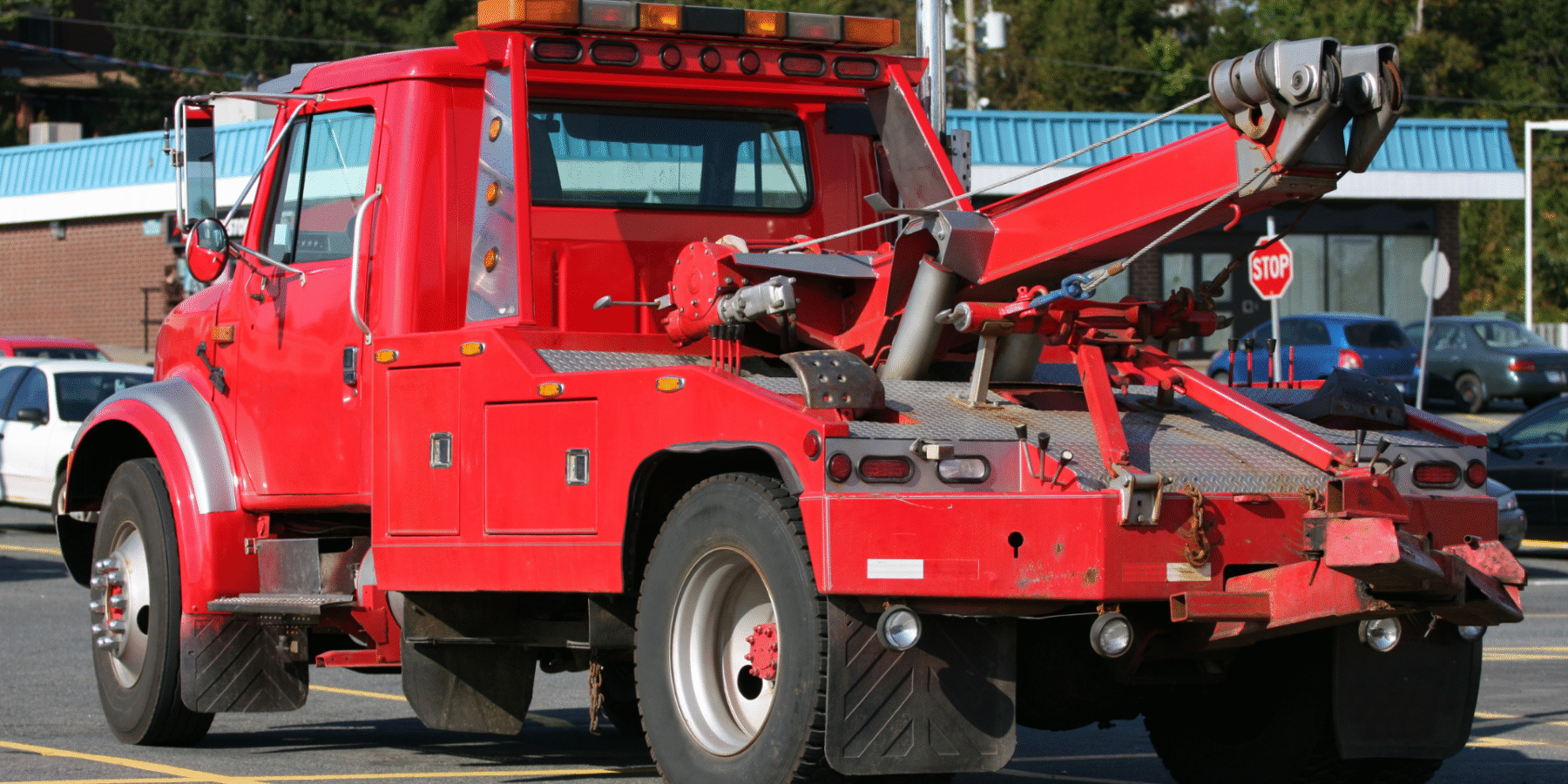
A fatal crash involving two tow trucks occurred last Monday morning in southwest Miami-Dade, according to NBC 6 South Florida. The collision happened around 9 a.m. near Southwest 288th Street and Old Dixie Highway, when two tow trucks crashed and one of them rolled over, leaving one man dead based on accounts from authorities. Crews pronounced the first victim dead at the scene, while another man was taken to a local hospital in critical condition. Debris were found scattered across the roadway and one of the tow trucks was found overturned at the scene. Deputies remained at the scene investigating what led up to the crash and didn’t yet release further details about its cause.
This incident serves as a reminder of the dangers heavy-duty vehicle crashes can pose to drivers on busy roadways. In southwest Miami-Dade, there are many periods of time when traffic is especially busy that poses heightened risk to drivers on the road. At Neufeld & Kleinberg, we understand how devastating serious truck and tow truck crashes can be for victims and their families. We fight to hold negligent drivers and companies accountable and work tirelessly to pursue the full compensation our clients deserve for medical bills, lost wages, pain and suffering, and more. Give us a call today at (786) 841-5646 for a free consultation.
Why the Right Legal Team Matters After a Southwest Miami-Dade Tow Truck Crash
A Southwest Miami-Dade two truck crash can quickly become complex, which is why having Neufeld & Kleinberg on your side can make a critical difference. When commercial vehicles like tow trucks are involved, multiple parties may share liability, including drivers, employers, contractors, or maintenance providers. These cases often require a thorough investigation, preservation of evidence, and a deep understanding of state and federal regulations that govern commercial vehicles. We have the experience and resources necessary to uncover the facts and build a strong case on behalf of injured victims and their families.
At Neufeld & Kleinberg, we take a hands-on approach to every case, guiding our clients through each step of the legal process while aggressively advocating for their best interests. We work to secure compensation for medical expenses, lost income, long-term rehabilitation needs, and the emotional toll these crashes can cause. Our team understands the unique challenges that follow serious truck collisions, and we are committed to protecting our clients’ rights and helping them move forward with confidence. From negotiating with insurance companies to preparing for trial when necessary, we stand ready to pursue the strongest possible outcome for those we represent.

Causes of a Southwest Miami-Dade Tow Truck Crash
Tow truck crashes in southwest Miami-Dade can occur for many reasons, particularly in areas with heavy traffic and commercial activity. These collisions often involve complex liability issues, since tow trucks operate under demanding conditions and tight schedules. Understanding the common causes of these crashes helps injured individuals recognize when negligence may have contributed to their losses. By identifying contributing factors early, victims can better protect their legal rights and pursue appropriate compensation.
Driver Fatigue and Long Hours
Tow truck operators frequently work extended shifts that increase the risk of fatigue-related errors. Long hours behind the wheel can reduce reaction time and impair judgment during critical moments. As a result, a tired driver may fail to notice slowing traffic or sudden roadway hazards. Fatigue-related crashes often raise questions about scheduling practices and employer oversight.
Violations of Hours-of-Service Guidelines
Although tow truck drivers may not always fall under the same federal rules as long-haul truckers, certain regulations can still apply. Employers must ensure that drivers operate safely and avoid excessive consecutive work hours. When companies ignore reasonable rest periods, fatigue becomes more likely and safety declines. Reviewing driver logs and dispatch records can reveal whether overwork contributed to the crash.
Distracted or Inattentive Driving
Distracted driving remains a leading cause of commercial vehicle collisions throughout Miami-Dade County. Tow truck operators may rely on mobile devices, navigation systems, or dispatch communications while driving. Even brief distractions can lead to rear-end collisions or unsafe lane changes in congested traffic. Maintaining full attention on the roadway remains essential for safe tow truck operation.
Mobile Device and Radio Use
Dispatch communication plays a central role in tow truck services, yet improper device use can create dangerous conditions. Drivers who text, dial numbers, or adjust radios while driving increase the likelihood of missing critical traffic cues. Moreover, visual and cognitive distractions reduce the ability to respond quickly to sudden stops. Reviewing phone records may help determine whether distraction played a role.
Improper Loading or Securing of Vehicles
Tow trucks must transport disabled vehicles securely to prevent shifting or detachment during transit. Improper loading techniques can cause instability, especially when drivers accelerate, brake, or navigate turns. If a vehicle becomes loose, it may strike other motorists or cause the tow truck to lose control. Careful adherence to loading protocols significantly reduces these risks.
Equipment Failure or Poor Maintenance
Tow trucks rely on winches, chains, hydraulic systems, and braking components that require consistent inspection. Mechanical failures can occur when maintenance schedules are ignored or repairs are delayed. Faulty brakes or steering components may prevent a driver from avoiding a collision. Maintenance records often provide valuable insight into whether equipment failure contributed to the crash.
Speeding and Aggressive Driving
In busy southwest Miami-Dade corridors, traffic congestion can create pressure to complete service calls quickly. Some tow truck drivers may exceed safe speeds or engage in aggressive maneuvers to meet deadlines. Speeding reduces stopping distance and increases the severity of impact during a collision. Aggressive driving behaviors frequently contribute to preventable and devastating crashes.
Who Can Be Held Liable in a Southwest Miami-Dade Tow Truck Crash?
Determining liability after a southwest Miami-Dade tow truck crash requires a careful evaluation of the facts and contributing circumstances. Unlike typical passenger vehicle accidents, tow truck collisions often involve commercial operations and multiple responsible parties. Identifying every potentially liable entity strengthens a claim and improves the chances of recovering full compensation. A thorough legal analysis ensures that no responsible party avoids accountability.
The Tow Truck Driver
The tow truck driver may bear direct responsibility if negligent behavior caused or contributed to the crash. Actions such as speeding, distracted driving, improper lane changes, or failure to yield can establish driver negligence. Additionally, fatigue or impairment may significantly reduce reaction time and decision-making ability. When driver error plays a role, injured parties may pursue compensation through the driver and applicable insurance coverage.
Distracted or Reckless Conduct
Drivers who use mobile devices, adjust dispatch equipment, or engage in aggressive driving increase the likelihood of serious collisions. Even a brief lapse in attention can create dangerous conditions in high-traffic southwest Miami-Dade corridors. Evidence such as phone records, dash-camera footage, and eyewitness accounts may help demonstrate reckless conduct. Establishing this behavior strengthens the overall liability claim.
The Towing Company
In many cases, the towing company may share liability under the legal doctrine of vicarious responsibility. When a driver acts within the scope of employment, the employer may be held accountable for resulting damages. Furthermore, companies must implement proper hiring, training, and supervision practices to ensure public safety. Failure to meet these obligations may create independent grounds for corporate liability.
Negligent Hiring or Retention
Towing companies must screen drivers carefully before allowing them to operate heavy-duty vehicles. Employers who ignore prior driving violations, inadequate licensing, or safety complaints may expose the public to preventable risks. If a company retains a driver with a known history of unsafe behavior, liability may extend beyond the individual operator. Reviewing employment records often reveals whether negligent hiring contributed to the crash.
Vehicle Maintenance Providers
Tow trucks rely on complex mechanical systems that require consistent inspection and repair. When brakes, steering components, or hydraulic systems fail, maintenance providers may share responsibility for resulting harm. Poor recordkeeping or skipped inspections can indicate negligent maintenance practices. Examining service logs and repair histories often helps clarify whether mechanical failure played a role.
Defective Equipment or Parts Manufacturers
In some situations, a defective part may cause or worsen a tow truck collision. Manufacturers have a legal duty to design and produce safe components for commercial vehicles. If a brake system, coupling mechanism, or winch assembly malfunctions due to a design or manufacturing defect, product liability laws may apply. Identifying defective equipment expands the scope of potential recovery.
Third-Party Drivers or Contractors
Not every southwest Miami-Dade tow truck crash results solely from the actions of the tow truck operator. Another motorist’s negligence, unsafe road design, or independent contractor involvement may also contribute to the collision. Florida law allows injured individuals to pursue claims against all parties whose conduct caused harm. A comprehensive investigation ensures that liability reflects the full scope of responsibility.
What to Do After a Southwest Miami-Dade Tow Truck Crash
Taking the right steps after a southwest Miami-Dade tow truck crash can significantly protect your health and your legal rights. The aftermath of a commercial vehicle collision often feels chaotic, especially when serious injuries or roadway hazards are involved. However, thoughtful and timely action can preserve critical evidence and strengthen a future injury claim. Understanding what to do next helps reduce costly mistakes during a stressful situation.
Seek Immediate Medical Attention
Your health should always remain the top priority after any serious collision. Even if injuries seem minor, underlying trauma such as internal bleeding or concussions may not show symptoms right away. Prompt medical evaluation creates documentation that connects your injuries directly to the crash. This medical record often becomes essential evidence when pursuing compensation.
Follow Through With Ongoing Treatment
Consistent medical care demonstrates that you take your recovery seriously and supports the legitimacy of your claim. Skipping appointments or delaying recommended treatment may allow insurance companies to question the severity of your injuries. Following physician guidance improves both physical recovery and legal positioning. Maintaining organized medical records also simplifies future claim calculations.
Call Law Enforcement and Request a Crash Report
A formal police report provides an objective account of the collision and documents important details. Officers typically record driver statements, witness information, vehicle damage observations, and roadway conditions. This report often serves as a foundational piece of evidence during insurance negotiations. Requesting a copy ensures you have accurate documentation for future reference.
Provide Accurate but Limited Statements
While cooperating with law enforcement remains important, you should avoid speculating about fault or minimizing injuries. Clear and factual responses reduce the risk of misinterpretation later in the claims process. Emotional stress can affect memory immediately after a crash, so limiting commentary protects your interests. Allow investigators to complete their assessment without unnecessary assumptions.
Gather and Preserve Evidence at the Scene
If you can do so safely, collect visual and contact evidence before leaving the area. Photographs of vehicle positions, damage, skid marks, traffic signals, and weather conditions may prove valuable later. Additionally, obtain contact information from witnesses who observed the collision unfold. Early evidence collection strengthens your ability to establish liability.
Document Tow Truck Company Information
Commercial tow trucks often display company names, license numbers, and identifying markings. Recording this information helps identify responsible corporate entities and insurance providers. Accurate documentation prevents confusion if multiple companies operate in the same area. Capturing these details early reduces investigative delays later.
Avoid Direct Negotiations With Insurance Companies
Insurance adjusters may contact you shortly after the crash to request recorded statements or offer quick settlements. Early settlement offers often fail to reflect the full scope of long-term medical expenses and lost income. Politely declining recorded statements until you understand your rights helps prevent unintended admissions. Careful evaluation ensures that any compensation discussions reflect the true value of your damages.
Consult a Personal Injury Attorney
Commercial vehicle crashes frequently involve complex liability and higher insurance policy limits. Consulting an experienced attorney provides clarity about your legal options and potential next steps. Legal guidance helps preserve evidence, manage insurer communications, and calculate comprehensive damages. Early consultation often improves the strength and direction of a personal injury claim.
How Comparative Negligence May Affect Your Claim in Miami-Dade
Florida follows a modified comparative negligence system, which can directly impact compensation after a serious truck crash. Under this rule, your financial recovery may decrease if you share responsibility for the collision. Courts and insurance companies evaluate each party’s actions to determine the percentage of fault assigned to everyone involved. Understanding how this system works allows injured individuals to better assess the value of their claims.
Understanding Florida’s Modified Comparative Negligence Rule
Florida law allows injured parties to recover damages only if they are not more than 50 percent at fault for the crash. If a court determines that you are 51 percent or more responsible, you may not recover compensation. However, if your fault remains at 50 percent or less, your compensation decreases proportionally. For example, a 20 percent fault finding would reduce a $100,000 award to $80,000.
How Fault Percentages Are Determined
Insurance adjusters, attorneys, and sometimes juries review evidence to assign fault percentages. They analyze police reports, witness statements, crash reconstruction findings, and available video footage. Additionally, they examine driver behavior such as speeding, distraction, or failure to follow traffic signals. Strong evidence can significantly influence how responsibility is allocated.
Common Scenarios Where Shared Fault May Arise
In a Miami-Dade truck crash, insurers may argue that a driver followed too closely or changed lanes improperly. They may also claim that a motorist failed to anticipate a tow truck slowing in traffic. Even minor allegations can reduce potential compensation if supported by persuasive evidence. Therefore, careful case preparation becomes essential in shared fault situations.
The Role of Evidence in Reducing Assigned Fault
Comprehensive evidence can counter unfair fault allegations and protect your recovery. Dash-camera recordings, electronic logging data, and expert analysis may demonstrate that the truck driver acted negligently. Medical documentation can also confirm that injuries align with the crash dynamics. By presenting clear and organized proof, claimants strengthen their position during negotiations or trial.
Why Legal Guidance Matters in Comparative Negligence Cases
Comparative negligence disputes often become one of the most contested aspects of a truck crash claim. Insurance companies may attempt to shift blame to minimize financial exposure. Experienced legal representation can challenge unsupported allegations and advocate for a fair allocation of fault. With strategic advocacy, injured individuals can better protect their right to meaningful compensation.
The Role of Evidence in a Tow Truck Crash Claim in Miami-Dade
Evidence plays a central role in establishing liability and securing fair compensation after a tow truck crash. Since commercial vehicle collisions often involve disputed facts, strong documentation can significantly influence the outcome of a claim. Insurance companies frequently challenge the severity of injuries or the cause of the crash, which makes credible proof essential. By preserving and presenting detailed evidence, injured individuals strengthen their legal position and improve their chances of recovery.
Police Reports and Official Documentation
A police report often serves as the foundation of a tow truck crash claim. Officers typically document roadway conditions, vehicle positions, driver statements, and any citations issued at the scene. This official record provides an objective summary that insurers and courts frequently rely upon during evaluations. Although not always conclusive, the report can strongly influence fault determinations.
Correcting Errors in a Crash Report
Occasionally, police reports may contain factual inaccuracies or incomplete information. Promptly reviewing the report allows injured parties to identify and address potential errors. Supporting documentation such as photographs or witness statements may help clarify disputed details. Taking corrective action early can prevent misunderstandings later in the claims process.
Photographs and Video Footage
Visual evidence can provide powerful support for a tow truck crash claim. Photographs of vehicle damage, skid marks, debris patterns, and traffic signals often help reconstruct how the collision occurred. In addition, dash-camera recordings or nearby surveillance footage may capture critical moments before impact. Clear visual documentation strengthens arguments regarding speed, positioning, and driver behavior.
Electronic Data and Black Box Information
Many commercial vehicles contain event data recorders that capture speed, braking activity, and engine performance. This electronic information can reveal whether a tow truck operator attempted to slow down or exceeded safe speeds. Accessing and preserving this data quickly remains crucial, since it may be overwritten if not secured promptly. Electronic records often provide objective insights that counter conflicting testimony.
Medical Records and Expert Testimony
Medical documentation connects injuries directly to the crash and demonstrates their severity. Treatment records, diagnostic imaging, and physician opinions establish the physical and financial impact of the collision. Expert testimony from medical professionals or accident reconstruction specialists can further clarify complex issues. This combination of documentation and professional analysis strengthens both settlement negotiations and courtroom presentations.
Maintenance and Employment Records
Tow truck crash claims may require review of company maintenance logs and driver employment histories. Maintenance records can reveal whether mechanical failures resulted from neglected inspections or delayed repairs. Employment files may show inadequate training or prior safety violations. These documents help determine whether broader corporate negligence contributed to the collision.
Preserving Evidence Early
Timely preservation of evidence remains one of the most important steps after a tow truck crash. Physical evidence can disappear quickly, and electronic data may be lost without formal requests. Acting promptly ensures that valuable proof remains available for review and analysis. Early preservation efforts often make a meaningful difference in the overall strength of a claim.

How Miami-Dade County Personal Injury Attorneys Provide Support After a Serious Truck Crash
After a serious truck crash, victims often face physical pain, financial strain, and emotional uncertainty that can feel overwhelming. Miami-Dade County personal injury attorneys provide structured guidance that helps individuals understand their rights and legal options. With knowledgeable representation, injured parties can focus on recovery while their legal team manages the complexities of the claims process. This support becomes especially important when commercial vehicles and multiple liable parties are involved.
Conducting a Thorough Investigation
Attorneys begin by performing a detailed investigation to uncover the full circumstances surrounding the crash. They gather police reports, interview witnesses, and secure available surveillance or dash-camera footage to preserve key evidence. In addition, they analyze vehicle damage, roadway conditions, and electronic logging data from commercial trucks. This comprehensive approach strengthens the foundation of a personal injury claim and positions clients for a more favorable outcome.
Reviewing Commercial Vehicle Regulations
Truck crashes often involve state and federal safety regulations that govern driver conduct and vehicle maintenance. Attorneys review these regulations carefully to determine whether violations contributed to the collision. For example, they examine hours-of-service records, inspection logs, and cargo loading requirements. By identifying regulatory failures, legal teams can establish negligence more effectively.
Working With Accident Reconstruction Experts
Complex truck crashes may require professional analysis to clarify disputed facts and liability issues. Attorneys frequently collaborate with accident reconstruction experts who evaluate speed, braking patterns, and impact angles. Their findings can provide persuasive evidence during negotiations or trial proceedings. This expert insight strengthens the overall presentation of the claim.
Managing Communication With Insurance Companies
Insurance companies often move quickly to limit financial exposure after a serious truck crash. Attorneys handle all communications with insurers to prevent injured individuals from making statements that could harm their claims. Furthermore, legal counsel evaluates settlement offers carefully to ensure they reflect the true value of damages. This strategic oversight helps clients avoid accepting inadequate compensation.
Calculating Full and Future Damages
Accurately assessing damages requires careful evaluation of both immediate and long-term consequences. Attorneys calculate medical expenses, lost wages, reduced earning capacity, and anticipated rehabilitation costs. They also consider non-economic damages such as pain, suffering, and diminished quality of life. A thorough damages assessment supports stronger settlement discussions and trial arguments.
Providing Ongoing Guidance and Advocacy
Beyond legal strategy, personal injury attorneys provide reassurance and steady communication throughout the recovery process. They explain each stage of litigation clearly so clients can make informed decisions with confidence. Additionally, they prepare cases for trial when negotiations fail to produce fair results. This proactive advocacy ensures that injured individuals have meaningful support during a challenging time.
Contact an Experienced Southwest Miami-Dade Two Truck Crash Lawyer Today
After a serious collision, having an experienced legal team on your side can make a meaningful difference in the outcome of your case. At Neufeld & Kleinberg, we understand how overwhelming the aftermath of a Southwest Miami-Dade two truck crash can be for victims and their families. In addition to coping with painful injuries, you may be facing medical bills, lost income, vehicle repairs, and ongoing stress. Insurance companies often move quickly to protect their bottom line, not your best interests. We step in to protect your rights, handle communications with insurers, gather important evidence, and build a strong claim designed to pursue the full compensation you deserve so you can focus on your recovery.
We take pride in providing personalized attention and aggressive representation for every client we serve. Our team conducts detailed investigations, reviews crash reports, secures surveillance or dashcam footage when available, consults with accident reconstruction experts, and carefully calculates both current and future damages to ensure nothing is overlooked. We are fully prepared to negotiate strategically for a fair settlement or take your case to trial if necessary to pursue justice. At Neufeld & Kleinberg, we treat our clients like family and remain committed to standing by your side every step of the way. If you or a loved one has been injured in a tow truck collision, call us today at (786) 841-5646 or fill out our online form to discuss your case and learn how we can help.
Contact usfor a free consultation.
Phone: (786) 841-5646