
A deadly crash in St. Petersburg just outside of Tampa last Saturday night left one person dead and several others injured, according to local news. The collision occurred around 9:30 p.m. at the intersection of North Frontage Road and Dr. Martin Luther King Jr. Street North, where a car ran a red light at a high rate of speed and struck another sedan that was traveling through the intersection with a green light. The driver later died from his injuries at a local hospital. He was later found to have had an active arrest warrant and a suspended Florida driver’s license. The other driver and her three passengers were taken to a nearby hospital with non-life-threatening injuries.
This tragic St. Petersburg crash underscores the deadly consequences of excessive speed and failing to follow basic traffic safety laws at busy intersections. Running a red light at a high rate of speed places everyone on the roadway at risk, leaving innocent drivers and passengers with little chance to avoid a violent impact. During these difficult moments, having experienced and compassionate legal advocates like our team at Neufeld & Kleinberg can provide critical guidance and support while helping victims pursue accountability and meaningful relief. Give us a call today at (786) 841-5646 to learn how we can help after your accident.
How a St. Petersburg Car Crash Attorney Provides Expert Guidance
After a St. Petersburg car crash, the legal and financial challenges victims face can quickly become overwhelming, and Neufeld & Kleinberg provides the experienced guidance needed during this difficult time. Serious crashes often involve complex factors such as traffic violations, speed, and questions about seat belt use, all of which can affect liability and compensation. Our attorneys work to gather police reports, analyze crash evidence, and identify the actions that led to the collision. By building a clear and detailed case, we help ensure our clients’ rights are protected from the very beginning.
Having knowledgeable legal representation can make a meaningful difference in the outcome of an injury claim. We handle communication with insurance companies, address attempts to shift blame, and pursue compensation for medical expenses, lost income, and other damages. At Neufeld & Kleinberg, we focus on providing clear explanations and steady support so clients understand their options at every stage. Our goal is to help individuals and families move forward with confidence after a St. Petersburg car crash.
How Fault Is Determined in a St. Petersburg Car Crash
Determining fault in a St. Petersburg car crash is a detailed process that requires careful investigation. Fault decisions directly affect insurance claims and potential compensation. Many crashes involve disputed accounts and multiple contributing factors. Investigators must evaluate evidence methodically to understand what occurred. Clear fault determination is essential for fair outcomes.
Review of Police Reports and Official Findings
Police reports play a central role in fault determination after a St. Petersburg car crash. Officers document their observations at the scene. Reports often include vehicle positions, damage, and roadway conditions. Citations may be issued if violations are observed. These findings influence early insurance decisions.
Why Police Reports Carry Significant Weight
Police reports provide an objective snapshot of the crash scene. Officers are trained to note contributing factors. Diagrams help illustrate vehicle movement. Statements from drivers and witnesses are summarized. Insurers rely heavily on these reports.
Evaluation of Traffic Laws and Violations
Traffic law compliance is a key factor in determining fault. Investigators assess whether drivers obeyed signals and speed limits. Violations such as running red lights are closely examined. Failure to yield may indicate responsibility. Traffic violations often strengthen fault claims.
How Violations Affect Liability Decisions
Running a red light suggests negligence. Speeding reduces reaction time and stopping distance. Ignoring traffic controls increases collision risk. Documented violations support fault findings. Liability often follows unlawful behavior.
Analysis of Driver Actions and Behavior
Driver behavior immediately before the crash is closely reviewed. Sudden lane changes or aggressive driving may be examined. Distraction or impairment can influence fault decisions. Investigators consider reaction times and evasive actions. Behavior analysis helps explain crash causes.
Why Driver Decisions Matter
Small decisions can have serious consequences. Speed choices affect crash severity. Attention levels influence hazard response. Poor judgment increases collision likelihood. Behavior patterns help assign responsibility.
Use of Witness Statements
Witness accounts provide valuable perspectives after a St. Petersburg car crash. Independent witnesses may notice details drivers miss. Statements can confirm traffic signals or vehicle speeds. Witnesses often clarify disputed facts. Their accounts support objective analysis.
How Witness Testimony Strengthens Cases
Witnesses add third party observations. Their statements may corroborate physical evidence. Consistent accounts increase credibility. Witnesses help resolve conflicting driver statements. Reliable testimony supports fault conclusions.
Examination of Physical Evidence
Physical evidence plays a crucial role in determining fault. Skid marks and debris patterns are analyzed. Vehicle damage locations help reconstruct impact points. Road surface conditions may also be reviewed. Evidence helps recreate crash sequences.
Why Physical Evidence Is Important
Physical evidence is objective and reliable. Skid marks indicate braking or swerving. Damage patterns reveal impact angles. Debris location shows vehicle movement. Evidence supports accurate reconstruction.
Consideration of Speed and Seat Belt Use
Speed is often a major factor in a St. Petersburg car crash. Investigators assess whether speed contributed to the collision. Seat belt use is reviewed for injury analysis. Lack of restraint may worsen injuries. These factors influence overall case evaluation.
How Speed Impacts Fault Assessments
Higher speeds reduce stopping ability. Excessive speed increases crash severity. Speed may limit avoidance options. Speed violations strengthen negligence claims. Investigators consider speed carefully.
Role of Accident Reconstruction Experts
Accident reconstruction experts may be used in complex cases. These professionals analyze data scientifically. Experts review vehicle damage and roadway evidence. Their findings explain how the crash occurred. Expert analysis supports disputed claims.
How Reconstruction Adds Clarity
Experts calculate speeds and impact forces. Vehicle data may be downloaded and reviewed. Simulations help recreate events. Their conclusions explain fault clearly. Expert input strengthens cases.
Comparative Fault in Florida Car Crashes
Florida follows a comparative fault system. Fault may be shared among multiple drivers. Compensation may be reduced based on assigned fault percentages. Investigators evaluate each party’s contribution. Comparative fault affects recovery amounts.
Why Shared Fault Matters
More than one driver may contribute to a crash. Minor mistakes can still impact outcomes. Fault percentages influence compensation. Accurate assessment is important. Shared fault does not eliminate recovery automatically.
Why Legal Guidance Helps Establish Fault
Fault determination in a St. Petersburg car crash can be complex. Legal guidance helps gather and interpret evidence. Attorneys coordinate investigations and experts. Support helps challenge unfair fault assignments. Proper guidance protects victims’ rights.
How Legal Support Makes a Difference
Legal teams preserve evidence early. Insurer disputes are addressed strategically. Expert opinions are coordinated effectively. Fault arguments are presented clearly. Support helps pursue fair results.
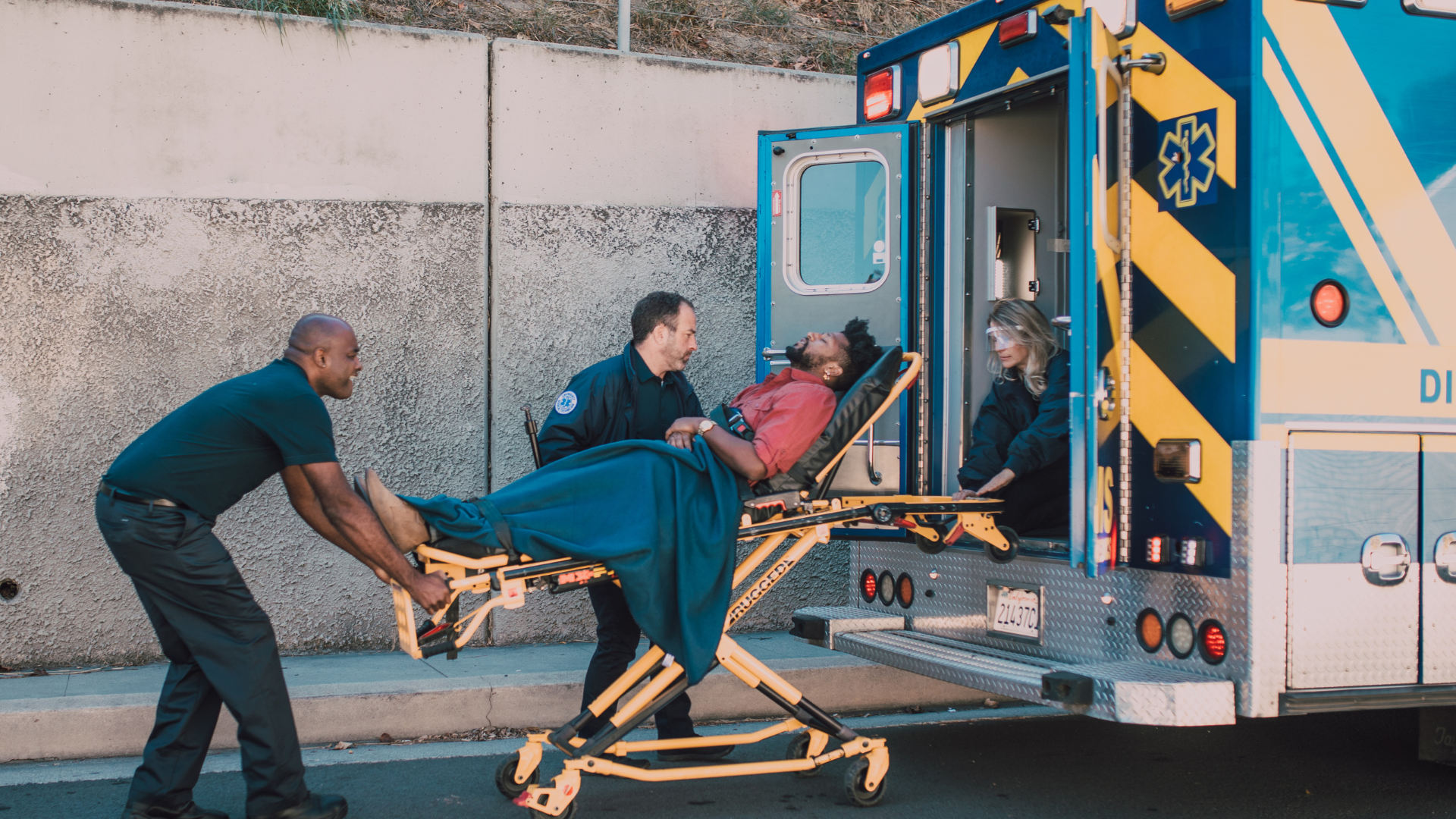
What to Do After a St. Petersburg Car Crash
A St. Petersburg car crash can leave drivers and passengers shaken, injured, and unsure of their next steps. The moments following a collision are often chaotic and stressful. Taking the right actions early can protect both health and legal rights. Even small decisions can affect future claims. Staying calm and informed is essential.
Seek Immediate Medical Attention
Medical care should be the top priority after a St. Petersburg car crash. Some injuries may not show symptoms immediately. Emergency responders can assess hidden trauma at the scene. Prompt treatment helps prevent complications. Medical records also document injury timing.
Why Early Medical Evaluation Matters
Adrenaline can mask pain after a collision. Internal injuries may develop later. Delayed treatment can worsen outcomes. Early care supports recovery. Documentation strengthens future claims.
Contact Law Enforcement and Remain at the Scene
Law enforcement should be notified after a St. Petersburg car crash involving injuries or significant damage. Officers document details and secure the scene. A police report provides an official account of the incident. Leaving the scene can cause legal issues. Cooperation helps ensure accuracy.
What Police Reports Typically Include
Reports often describe vehicle positions and damage. Officers may note traffic violations. Witness statements are commonly recorded. Diagrams help illustrate events. These details influence insurance decisions.
Ensure Scene Safety
After a St. Petersburg car crash, vehicles may block traffic lanes or create hazards. Turn on hazard lights if possible. Move to a safe location when appropriate. Emergency responders help manage traffic flow. Scene safety protects everyone involved.
How Secondary Accidents Can Occur
Stopped vehicles can surprise approaching drivers. Poor lighting reduces visibility. Debris may scatter across the roadway. Other motorists may not slow in time. Securing the area reduces additional risk.
Document the Crash Scene
If physically able, document the crash scene carefully. Take photos of vehicles and damage. Capture road conditions and traffic signals. Obtain witness contact information. Documentation preserves details that may change quickly.
Why Documentation Is Important
Crash scenes are often cleared rapidly. Vehicles may be repaired or moved. Witness memories can fade. Photos provide objective evidence. Documentation strengthens claims.
Avoid Discussing Fault at the Scene
Emotions often run high after a St. Petersburg car crash. Avoid apologizing or admitting fault. Statements made under stress can be misunderstood. Even casual remarks may be used later. Focus on facts only.
How Statements Can Be Misinterpreted
Insurance companies may review statements carefully. Apologies may appear as admissions. Incomplete information can create confusion. Fault should be determined through investigation. Protecting your words protects your rights.
Notify Insurance Companies Carefully
Report the crash to your insurance provider promptly. Provide basic facts without speculation. Avoid recorded statements until you understand your options. Insurers may seek details affecting coverage. Careful communication is important.
Why Insurance Calls Require Caution
Early statements may not reflect full injuries. Recorded comments may be used later. Guessing details can weaken claims. Asking questions is appropriate. Thoughtful responses protect interests.
Follow Medical Treatment and Track Recovery
Continue all recommended medical care after a St. Petersburg car crash. Attend follow-up appointments and therapy sessions. Keep records of diagnoses and expenses. Gaps in treatment may raise questions. Consistent care supports recovery.
How Medical Records Support Claims
Medical records connect injuries to the crash. They show severity and treatment progress. Consistent documentation strengthens credibility. Records help calculate damages. Organization is essential.
Consider Legal Guidance Early
Legal guidance can be valuable after a St. Petersburg car crash. Complex liability or injury issues may arise. Early support helps preserve evidence. Guidance reduces stress. Professional help provides clarity.
How Early Guidance Makes a Difference
Early involvement helps identify responsible parties. Evidence is preserved more effectively. Deadlines are easier to track. Communication with insurers improves. Support protects long-term interests.
Insurance Challenges Following a St. Petersburg Car Crash
Insurance claims after a St. Petersburg car crash can be complex and frustrating. Companies often prioritize minimizing payouts. Victims may face delays, disputes, or pressure to settle early. Understanding common challenges helps explain why careful handling matters. Awareness supports better outcomes.
Aggressive Insurance Company Tactics
Insurers may use aggressive strategies after a St. Petersburg car crash. Adjusters often contact victims quickly. Early settlement offers may be presented as convenient solutions. These offers often undervalue injuries. Pressure tactics are common.
Why Early Settlement Offers Can Be Risky
Early offers rarely consider long-term medical needs. Injury severity may not be fully known. Accepting an offer may waive future rights. Settlements usually cannot be reopened. Caution protects recovery.
Disputes Over Fault and Liability
Even clear cases may involve fault disputes. Insurers may argue shared responsibility. Comparative fault can reduce compensation. Liability disagreements often delay resolution. Evidence becomes critical.
How Fault Disputes Affect Claims
Disputed fault slows negotiations. Compensation amounts may be reduced. Victims may face prolonged uncertainty. Additional documentation may be required. Clear evidence supports resolution.
Multiple Insurance Policies and Coverage Issues
A St. Petersburg car crash may involve multiple insurance policies. Each policy may have different limits. Coverage disputes are common. Identifying all available coverage can be challenging. Careful review is necessary.
Why Coverage Questions Arise
Policy language can be complex. Insurers may raise exclusions. Coverage limits may be insufficient. Multiple insurers may shift responsibility. Understanding policies is important.
Delays in Claim Processing
Insurance claims often take time to resolve. Insurers may request repeated documentation. Investigations may be prolonged. Delays can strain victims financially. Patience is required.
How Delays Impact Crash Victims
Medical bills may accumulate quickly. Lost income increases stress. Uncertainty can affect recovery. Delays may push victims toward unfair settlements. Timely progress matters.
Requests for Recorded Statements and Medical Records
Insurers frequently request recorded statements. Extensive medical records may also be requested. Some requests may feel intrusive. Statements may be used to challenge claims. Careful handling is needed.
Why Recorded Statements Require Caution
Statements are often taken early. Injuries may not be fully understood. Inconsistent comments may be used later. Delaying statements may be appropriate. Thoughtful responses protect rights.
Policy Limits and Underinsured Concerns
The at fault driver may have limited coverage. Serious injuries can exceed policy limits. Underinsured motorist coverage may be necessary. Coverage gaps create challenges. Reviewing options early helps.
How Underinsured Coverage Can Help
Underinsured coverage supplements recovery. Policy terms determine availability. Notice requirements may apply. Coverage limits vary. Early review is beneficial.
Why Legal Guidance Helps Navigate Insurance Issues
Insurance challenges after a St. Petersburg car crash can be difficult alone. Legal guidance helps protect against unfair tactics. Attorneys manage communication and negotiations. Support ensures accurate claim presentation. Guidance improves outcomes.
How Legal Support Levels the Playing Field
Legal professionals understand insurer strategies. Evidence is organized effectively. Deadlines are tracked carefully. Victims avoid unnecessary pressure. Support provides confidence.
The Role of Speed and Seat Belt Use in a St. Petersburg Car Crash
Speed and seat belt use play a critical role in both the cause and severity of a St. Petersburg car crash. Excessive speed reduces a driver’s ability to react safely. Failure to wear a seat belt greatly increases injury risk. When these factors combine, the consequences can be catastrophic. Investigators closely examine both issues when evaluating crashes.
How Speed Contributes to Serious Collisions
Speed is a leading factor in many St. Petersburg car crash cases. Driving too fast reduces reaction time. Vehicles require longer distances to stop safely at higher speeds. Speed also increases the force of impact during a collision. Greater force often leads to more severe injuries.
Why Speed Increases Crash Severity
Higher speeds amplify collision energy. Vehicles absorb more force upon impact. Safety systems may be overwhelmed. Occupants experience greater physical stress. Severe injuries become more likely.
Speed and Traffic Control Violations
Speeding often accompanies traffic control violations. Drivers traveling too fast may fail to stop at red lights. Intersections become especially dangerous. Other drivers may have no time to avoid impact. These violations frequently lead to high impact crashes.
How Intersection Crashes Become Deadly
Fast moving vehicles enter intersections unexpectedly. Cross traffic may be lawfully proceeding. Reaction time is limited. Side impact collisions occur at full force. Injury risk rises sharply.
Impact of Speed on Injury Outcomes
Speed affects not only crash likelihood but injury outcomes. Higher speeds increase the risk of traumatic injuries. Head and spinal injuries become more common. Emergency response may be complicated by crash severity. Recovery times are often longer.
Why High Speed Crashes Cause Greater Trauma
Greater impact force stresses the body. Internal organs may be damaged. Bones are more likely to fracture. Soft tissue injuries worsen. Trauma severity increases significantly.
Importance of Seat Belt Use
Seat belts are one of the most effective safety devices in vehicles. Proper use significantly reduces injury risk. Seat belts prevent occupants from being ejected. They also reduce movement during impact. Seat belt use saves lives.
How Seat Belts Protect Occupants
Seat belts distribute crash forces across the body. They keep occupants in proper position. Airbags function more effectively when seat belts are worn. Unrestrained occupants face higher injury risk. Protection depends on proper use.
Consequences of Failing to Wear a Seat Belt
Failure to wear a seat belt greatly increases injury severity. Unrestrained occupants may strike interior surfaces. Ejection from the vehicle becomes possible. Fatal injuries are more likely. Investigators often note seat belt use.
Why Ejection Risk Is So Dangerous
Ejected occupants face direct impact with the ground. Crushing forces increase injury severity. Survival rates drop significantly. Ejection often leads to fatal outcomes, which is why seat belts are so important to reduce this risk.
Seat Belt Use and Liability Considerations
Seat belt use can affect injury evaluations in a St. Petersburg car crash. Investigators may consider whether injuries were worsened by lack of restraint. Insurance companies may raise seat belt arguments. These issues may influence compensation. Each case is fact specific.
How Seat Belt Arguments Are Used
Insurers may argue injuries were preventable. Comparative fault may be raised. Injury severity may be disputed. Evidence is carefully reviewed. Legal analysis is often required.
Combined Effect of Speed and Lack of Restraint
The combination of speed and lack of seat belt use is especially dangerous. High speed crashes produce violent forces. Without restraints, occupants absorb full impact. Injury risk multiplies dramatically. Fatal outcomes become more likely.
Why This Combination Is Often Deadly
Speed increases crash energy. Lack of restraint removes protection. Occupants experience uncontrolled movement. Trauma severity escalates rapidly. Survival chances decrease.
How Investigators Evaluate Speed and Seat Belt Use
Crash investigators analyze speed using physical evidence. Skid marks and vehicle damage are reviewed. Seat belt usage may be determined through vehicle inspection. Data from vehicle systems may be examined. Findings influence fault and injury analysis.
Why Accurate Evaluation Matters
Speed estimates affect liability decisions. Seat belt findings influence injury assessments. Evidence must be reliable. Incorrect conclusions can affect claims. Careful analysis supports fair outcomes.
Why Legal Guidance Helps Address These Factors
Speed and seat belt issues can complicate a St. Petersburg car crash claim. Legal guidance helps address unfair blame shifting. Attorneys analyze evidence carefully. Support helps challenge improper conclusions. Guidance protects injured victims’ rights.
How Legal Support Makes a Difference
Legal teams review investigation findings. Expert opinions may be consulted. Insurance arguments are challenged effectively. Evidence is presented clearly. Support helps pursue fair compensation.

Why Legal Support Is Crucial After a St. Petersburg Car Crash
A St. Petersburg car crash can leave victims facing serious injuries, financial stress, and unanswered questions. The legal process following a crash can be complex and overwhelming. Insurance companies often move quickly to protect their interests. Without proper support, victims may feel pressured or confused. Legal guidance helps protect rights and restore balance.
Protecting Victims From Insurance Company Tactics
Insurance companies often act aggressively after a St. Petersburg car crash. Adjusters may contact victims before injuries are fully understood. Early settlement offers may seem helpful but undervalue claims. Statements may be used to limit compensation. Legal support helps prevent unfair treatment.
Why Insurance Adjusters Are Not Neutral
Adjusters represent the insurance company’s interests. Their goal is often to minimize payouts. Friendly conversations may conceal strategic questioning. Statements can be taken out of context. Awareness helps protect victims.
Ensuring a Thorough Investigation
A proper investigation is essential after a St. Petersburg car crash. Evidence can disappear quickly if not preserved. Legal support helps gather police reports and witness statements. Crash scene details may be documented promptly. Thorough investigation strengthens claims.
How Early Evidence Preservation Helps
Vehicle damage may be repaired or removed. Surveillance footage may be overwritten. Witness memories can fade. Early action preserves critical details. Strong evidence supports fair outcomes.
Identifying All Responsible Parties
Some St. Petersburg car crashes involve more than one responsible party. Other drivers, vehicle owners, or third parties may share fault. Legal support helps identify all potential sources of liability. This expands recovery options. Accurate identification is important.
Why Liability Is Not Always Obvious
Initial reports may miss contributing factors. Road conditions or vehicle defects may play a role. Multiple drivers may share responsibility. Further investigation may reveal new details. Legal analysis clarifies fault.
Accurately Valuing the Full Impact of Injuries
Many victims underestimate the value of their St. Petersburg car crash claim. Medical costs may continue long after the crash. Lost income and future earning capacity are often overlooked. Pain and emotional distress also matter. Legal guidance helps calculate full damages.
How Long Term Losses Are Often Missed
Some injuries require ongoing treatment. Recovery may limit work ability. Emotional effects can persist. Out of pocket expenses accumulate over time. Full evaluation protects financial stability.
Navigating Legal Deadlines and Procedures
St. Petersburg car crash claims involve strict legal deadlines. Missing a deadline can eliminate recovery options. Legal support helps track filing requirements accurately. Proper procedures must be followed carefully. Guidance prevents costly mistakes.
Why Deadlines Matter in Injury Claims
Statutes of limitations are strictly enforced. Insurance negotiations do not pause deadlines. Late filings may be dismissed. Early planning avoids risk. Timely action protects rights.
Reducing Stress During a Difficult Time
The aftermath of a St. Petersburg car crash can be emotionally draining. Victims may be balancing medical care and financial concerns. Legal support provides clarity and direction. Knowing someone is advocating helps ease stress. Support allows focus on healing.
How Legal Guidance Supports Recovery
Clear explanations reduce confusion. Professionals handle complex tasks. Victims avoid unnecessary pressure. Confidence improves decision making. Support brings stability during uncertainty.
Strengthening Negotiation and Claim Outcomes
Insurance negotiations often favor experienced insurers. Legal support helps level the playing field. Claims are presented clearly and supported by evidence. Unfair settlement attempts can be challenged. Strong representation improves outcomes.
Why Experience Matters in Negotiations
Experienced advocates understand insurer strategies. Evidence is organized effectively. Damages are justified thoroughly. Negotiations are handled strategically. Preparation strengthens results.
Providing Advocacy When Litigation Is Necessary
Some St. Petersburg car crash cases require litigation. Legal support prepares cases for court when needed. Attorneys manage filings and proceedings. Advocacy ensures voices are heard. Litigation readiness protects leverage.
How Litigation Readiness Benefits Victims
Insurers take claims more seriously. Delays may be reduced. Fair settlements become more likely. Court preparation strengthens positions. Readiness protects interests.
Why Legal Support Makes a Meaningful Difference
Legal support after a St. Petersburg car crash helps protect rights and dignity. Victims gain clarity and confidence. Mistakes are avoided. Recovery efforts are supported. Guidance helps victims move forward.
How Support Leads to Better Outcomes
Well supported claims are stronger. Evidence is preserved properly. Deadlines are met. Compensation is pursued fully. Legal support creates stability.
Contact an Experienced St. Petersburg Car Crash Lawyer Today
The aftermath of a serious car accident can leave victims and families facing painful injuries, emotional stress, and uncertainty about what comes next, and the team at Neufeld & Kleinberg understands how overwhelming this moment can feel. Our attorneys regularly assist individuals who are trying to balance medical treatment, insurance claims, and difficult legal decisions all at once. By stepping in early, we help bring clarity to a confusing process and ensure our clients’ rights are fully protected. With compassionate, hands-on guidance from Neufeld & Kleinberg, clients can focus on healing while we handle the legal details and pursue accountability on their behalf.
If you or a loved one was injured in a St. Petersburg car crash, you don’t have to face the process alone. Our team at Neufeld & Kleinberg is committed to providing strong advocacy and personalized support for those affected by serious accidents. Our attorneys take the time to understand how the crash has impacted your life and tailor our approach to your specific needs and goals. We work diligently to investigate the collision, communicate with insurance companies, and pursue full and fair compensation on your behalf. Throughout the process, we remain accessible and responsive, ensuring you are informed and supported at every stage. Call (786) 841-5646 today or fill out our online contact form to schedule a consultation and learn how we can help.
Contact usfor a free consultation.
Phone: (786) 841-5646